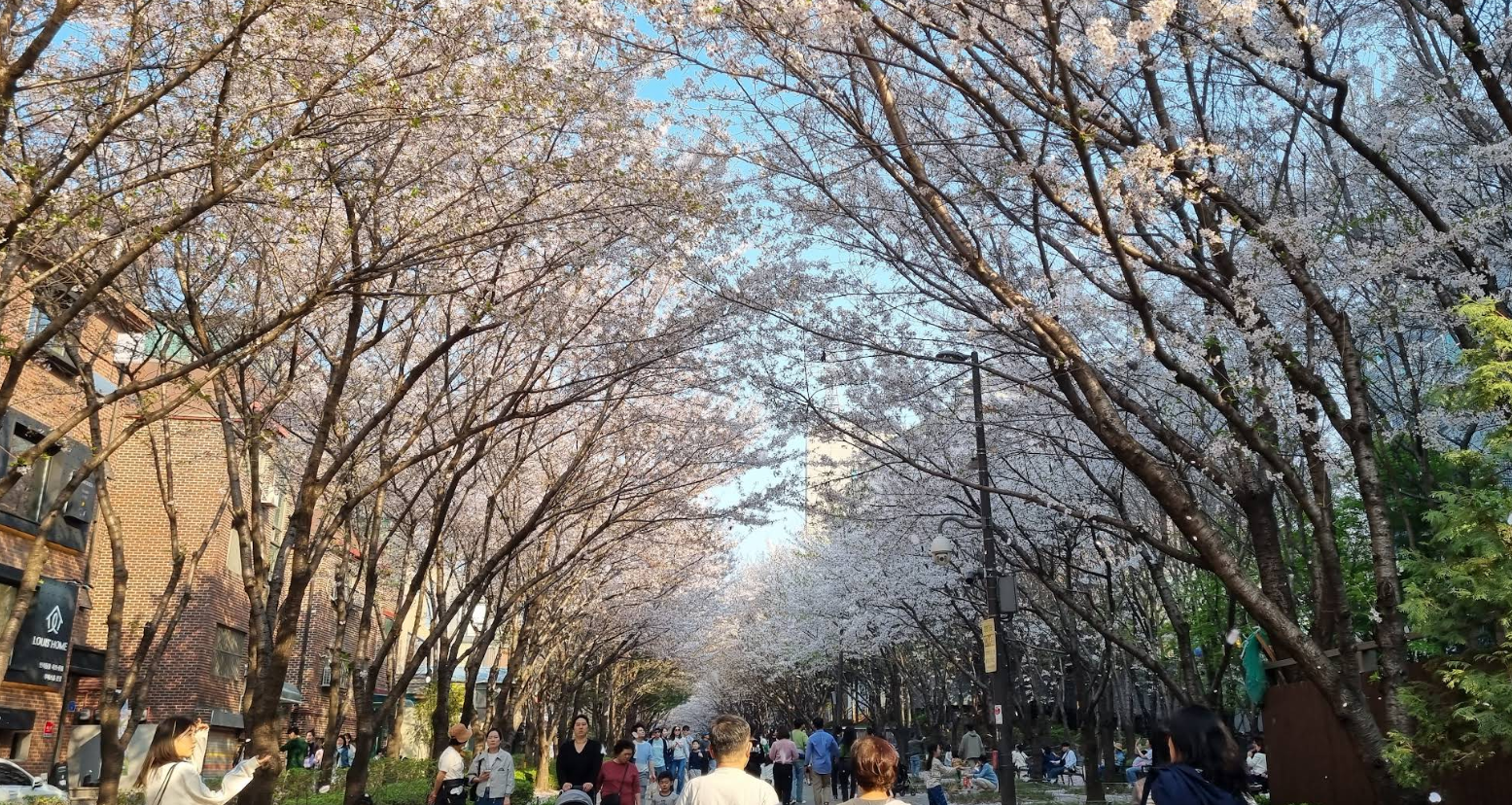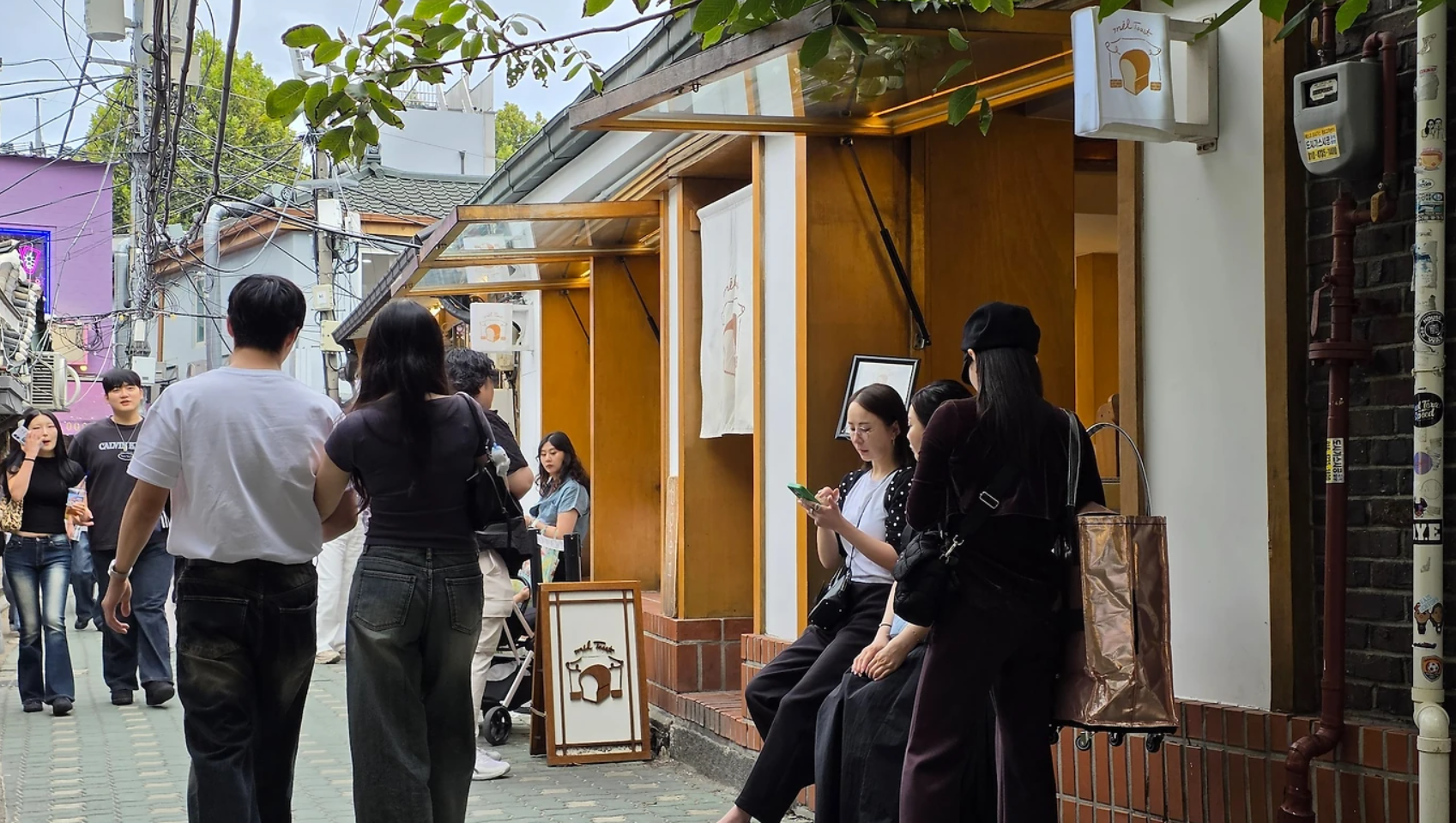
Every year, Time Out ranks the world’s coolest neighbourhoods by asking its global network of local writers and editors to nominate the areas actually worth living in and visiting right now — not the postcard districts, the working ones. For 2026, the number one spot on a list of 40 didn’t go to a corner of London, Paris, or New York. It went to Jongno 3-ga (종로3가), a subway-hub district in the middle of old Seoul that most first-time visitors walk straight through on the way to somewhere else.
If you’ve never planned a trip around a neighbourhood ranking before, this is a good year to start. Jongno 3-ga’s win isn’t a random headline — it’s a genuinely useful travel tip, pointing at a compact cluster of hanok alleys, tent-bar streets, and a UNESCO shrine wall that most Seoul itineraries skip entirely.
What’s Actually Happening: Time Out’s 2026 Ranking
Time Out published its “40 coolest neighbourhoods in the world 2026” list in mid-September 2026, and Jongno 3-ga took first place — up from third place when the same district appeared on Time Out’s 2021 ranking. Grace Beard, Time Out’s travel editor, told CNN the jump came down to a recent surge of late-evening outdoor dining and a growing cluster of independent, character-driven shops in the area.
The ranking is built from six criteria: food and drink, nightlife, culture, unique local businesses, liveability, and sense of community. In Jongno 3-ga’s case, it was the combination of the district’s century-old hanok housing alongside a still-thriving, unpolished tent-bar culture that Time Out’s write-up kept coming back to.
For scale: Jongno 3-ga finished ahead of entries representing London and Paris, and ahead of Los Angeles’s Chinatown (the highest-ranked US neighbourhood, at #4) and New York’s Financial District (#28). It’s also not the first time a Seoul neighbourhood has ranked near the top of Time Out’s list — Mullae-dong, the city’s former steelworking district turned café-and-studio hub, placed sixth in the world in 2025, and second in Asia behind Tokyo’s Jimbocho. Two years running, an unglamorous, working-class corner of Seoul has landed in the global top ten ahead of the world’s usual suspects.
Why Jongno 3-ga Won: Old Seoul That Never Got Polished Up
It never stopped being a real neighbourhood. Unlike districts that were redeveloped specifically to attract visitors, Jongno 3-ga’s hanok houses, print shops, hardware stalls, and tent bars have been serving local residents and office workers for decades. What’s changed is who else has started showing up.
The pojangmacha (tent bar) culture is one of the last of its kind. Seoul has steadily lost its old orange-tarp street-drinking culture to redevelopment over the past two decades. The stretch running between Jongno 3-ga Station’s Exits 5 and 6 is one of the largest surviving pojangmacha rows left in the city — a genuine slice of pre-gentrification Seoul nightlife rather than a recreation of one.
Ikseon-dong turned a century-old hanok village into a bar and café district. A few blocks north of the tent-bar street, Ikseon-dong’s narrow lanes of low tile-roofed houses — some of the oldest surviving hanok blocks in central Seoul — now hold natural wine bars, cocktail dens, and hanok-cafés tucked behind sliding wooden doors. It’s the same architecture Bukchon Hanok Village is famous for, but functioning as a living nightlife district rather than a photo backdrop.
Seosulla-gil gave the area a second life along a UNESCO wall. Running along the western stone wall of Jongmyo Shrine — the Joseon dynasty’s royal ancestral shrine and a UNESCO World Heritage Site since 1995 — Seosulla-gil (서순라길) has quietly filled in with small hanok cafés, jewellery studios, and craft workshops over the past few years, drawing a younger crowd who come for a slow daytime walk before the pojangmacha street lights up at night.
It rewards both a 3pm and an 11pm visit. Few Seoul neighbourhoods work equally well in daylight and after dark. Jongno 3-ga does: quiet hanok cafés and boutique browsing in the afternoon, then a complete change of character once the tent bars open.
What to Actually Do in Jongno 3-ga
| Area | What it is | Best time to go |
|---|---|---|
| Pojangmacha Street | A run of orange-tented street bars between Exits 5 and 6 of Jongno 3-ga Station, serving grilled skewers, odeng (fish cake broth), crispy kimchi-jeon, and soju on plastic stools | 7–10pm for peak atmosphere; before 6:30pm if you want to beat the crowd |
| Ikseon-dong hanok alleys | Lantern-lit lanes of century-old hanok now housing natural wine bars, cocktail dens, and traditional tea houses | Late afternoon into evening |
| Seosulla-gil (서순라길) | A quiet lane tracing Jongmyo Shrine’s western stone wall, lined with hanok cafés and small jewellery and craft studios | Daytime — mid-afternoon light is best for photos |
| Jongmyo Shrine | The Joseon dynasty’s royal ancestral shrine, a UNESCO World Heritage Site bordering Seosulla-gil | Check the shrine’s own opening hours; most of the grounds close by early evening |
Getting there: Jongno 3-ga Station (종로3가역) is a major interchange served by Lines 1, 3, and 5, which alone tells you how central this district is. For the pojangmacha street, use Exits 5 or 6. For Seosulla-gil and the Jongmyo Shrine wall, take Exit 7 or 8 — the shrine’s west wall is about a five-minute walk away.
A sensible order for a first visit: arrive mid-afternoon, walk Seosulla-gil and Ikseon-dong while the light is good, have an early dinner or coffee stop in one of the hanok cafés, then finish the evening at the pojangmacha street once the tents are fully lit and the crowd builds. That sequence follows the same trend judges cited: old-Seoul daytime charm giving way to genuinely local nightlife after dark.
Frequently Asked Questions
Why was Jongno 3-ga named the world’s coolest neighbourhood for 2026? Time Out’s global writer network ranked it first out of 40 neighbourhoods worldwide, judging on food and drink, nightlife, culture, unique local businesses, liveability, and sense of community. The district climbed from third place in Time Out’s 2021 ranking, driven largely by growing late-night outdoor dining and a wave of small independent shops.
What is a pojangmacha, and where do I find one in Jongno 3-ga? A pojangmacha is an orange-tarp street tent bar serving cheap Korean street food and soju on plastic stools — a Seoul nightlife tradition that’s disappeared from most of the city. Jongno 3-ga’s version runs along the street between Exits 5 and 6 of Jongno 3-ga Station and is one of the largest surviving examples in Seoul.
Is Jongno 3-ga the same as Ikseon-dong? Not quite — Ikseon-dong is a hanok-alley district that sits within the broader Jongno 3-ga area, a few blocks from the pojangmacha street. Time Out’s ranking covers the wider neighbourhood, and Ikseon-dong’s hanok bars and cafés were specifically cited as part of why it won.
What is Seosulla-gil? Seosulla-gil (서순라길) is a quiet lane that runs along the western stone wall of Jongmyo Shrine, Seoul’s UNESCO-listed royal ancestral shrine. It’s lined with small hanok cafés, jewellery studios, and craft shops, and is best visited in the afternoon before heading to the pojangmacha street for the evening.
How do I get to Jongno 3-ga? Take Seoul Metro to Jongno 3-ga Station, served by Lines 1, 3, and 5. Use Exits 5 or 6 for the pojangmacha street, or Exits 7 or 8 for Seosulla-gil and the Jongmyo Shrine wall.
Has a Seoul neighbourhood ranked highly on this list before? Yes — Mullae-dong, a former steelworking district turned café and studio hub, placed sixth in the world (and second in Asia, behind Tokyo’s Jimbocho) in Time Out’s 2025 ranking, and Jongno 3-ga itself was third in 2021. Jongno 3-ga’s 2026 win is the first time a Seoul neighbourhood has taken the number one spot, and the second year running that an unpolished, working Seoul district has made the global top ten.
For more on Seoul’s royal heritage sites, including the palaces near this district, see Korea’s Royal Palaces Are 2026’s Hottest 핫플. Jongno also appears in some of Seoul’s biggest recent K-drama filming locations — see K-Drama Set-Jetting: The 2026 Guide to Filming Locations. And for other neighbourhoods worth building a Seoul trip around, check the Things to Do in Seoul 2026 guide.